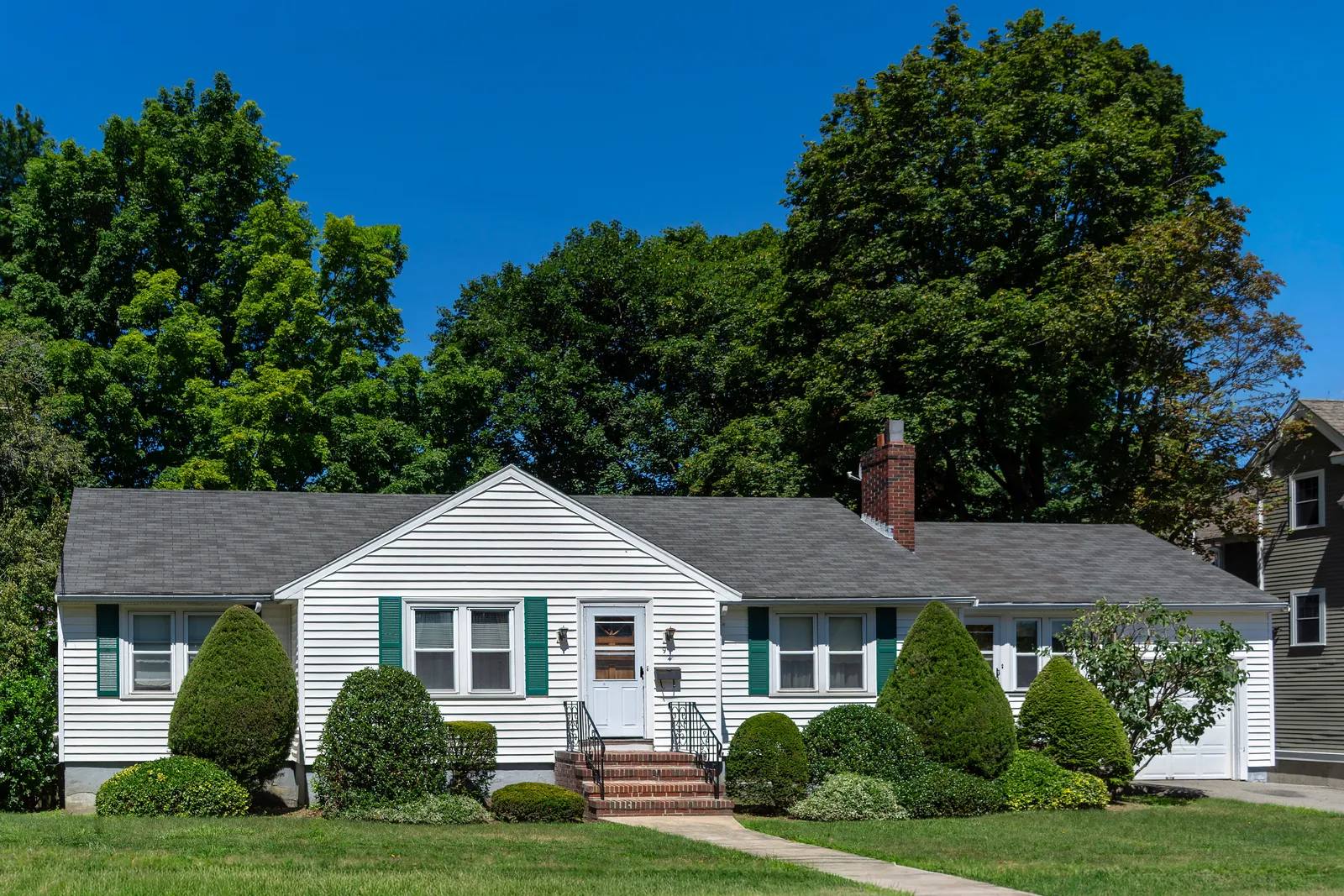
Little Elm did most of its growing inside a single decade, and its roofs went up with it. Two decades on, a very large share of this town is reaching the end of a first roof at roughly the same time, which is a different situation from roofs wearing out one at a time. If your house came out of that wave, there's a lot you can tell about where your own roof stands without anyone climbing a ladder.
A town built in one rush
The numbers are blunt. Little Elm held 3,646 people in 2000. By 2010 it held 25,898, a 610 percent increase inside one decade that put the town among the fastest-growing incorporated places in Texas over that stretch. By 2020 the count was 46,453.
Housing followed the same curve. The typical Little Elm home dates to 2009, and 43 percent of the town's housing went up in the 2000s alone. Almost nothing here predates 1960. This is not a town with an old core and newer edges. It is a town that was largely built at once.
Growth has not stopped, either. New sections are still selling, whole tracts are still going up, and the school district is still opening campuses. So there are really two roof populations in Little Elm now: a large wave from the 2000s aging together, and a newer wave that has barely started.
Why roofs aging together is different
A roof does not fail on a schedule, but it does wear on one. Asphalt shingles in North Texas shed granules to sun and heat cycling, harden, and lose seal strength at the tabs, and that runs on the calendar whether or not a storm ever arrives. When a whole town starts that clock inside the same few years, it arrives at the far end of it together too.
Two practical things follow. A neighbor getting a new roof is a better signal in Little Elm than it would be in a town that grew steadily over eighty years, because the house next door probably did start its clock the same year yours did. And when a genuinely large storm comes through, demand for roofers spikes hard here, because a single hail day lands on an unusually large number of roofs that were already near the end of their run.
None of that means a roof from 2007 is finished. Plenty are not. It means the odds have moved, and a changed set of odds is a reason to get the roof looked at, not an answer about it.
How to tell where your own roof sits
Start with two dates: when the house was built, and whether the roof has ever been replaced. A house from 2006 carrying a roof replaced after a 2019 hail claim is a thirteen-year-old house with a six-year-old roof, and those are completely different conversations.
From there, a handful of things are readable from the ground without anyone climbing anything. Here is what to look at:
- Granules collecting in the gutters or pooling on the driveway under a downspout outlet. Some shedding is normal on a new roof; steady accumulation on an older one is the mat losing its cover.
- Shingle edges that look curled, cupped or brittle when you sight along the plane of the roof, low and from the side.
- Dented gutters, downspouts, fascia, metal vents, or bent fins on the air-conditioning condenser. Hail that dented soft metal also landed on the roof.
- Dark patches or streaking that follow a slope line, which can mean granule loss where algae would follow the shade.
- Daylight, staining or a damp smell in the attic, checked from the attic floor with your weight on the joists.
- The paperwork. If the roof was replaced, the invoice tells you the year, the shingle tier, and whose workmanship warranty came with it.
So do you act now or wait?
The honest answer depends on which of two situations you are in, and only one of them is urgent.
If water is coming in, or shingles went missing after a storm, that is a now problem and waiting makes it more expensive. If the roof is simply old and nothing is visibly wrong, there is no emergency, and a roof with real life left in it does not need replacing because a calendar says so.
The middle case is the common one in Little Elm: a roof from the 2000s that has stood through several county hail days and looks fine from the driveway. That's the roof worth having documented, because a photographed report of what's up there settles what a build year can only narrow.
Little Elm Roofing Co exists for that conversation. A local roofer walks the roof, photographs what's up there, and what comes back is a written, itemized estimate with one price on it, or a note saying the roof has years left. If the numbers come first for you, what a replacement costs here is broken down by what drives it, and a free roof inspection costs nothing either way.