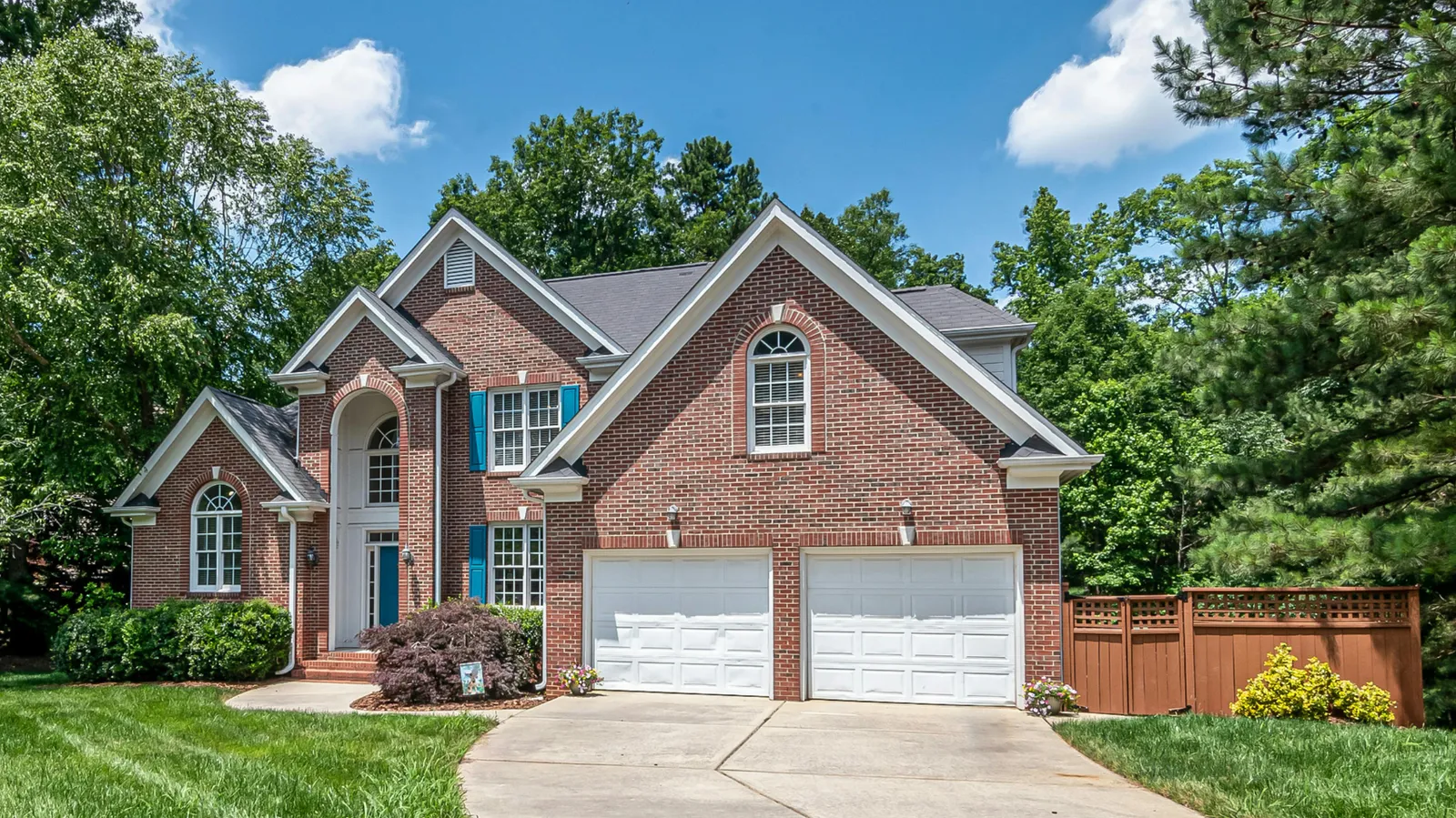
Roof Repair in Little Elm, TX
A roof repair booked through Little Elm Roofing Co starts by tracing the actual source, and you have the number in writing before a shingle moves.
A leak shows on the ceiling in one place and starts on the roof in another.
Roofing you can plan around
What a repair visit covers.
A repair takes its shape from whatever broke, which is why there is no fixed menu. The one constant is the clock on it. A contained problem does not stay contained once water has a path, and the soaked decking around a failure is what turns a boot swap into a deck repair.
With water actively coming in, the useful moves are all indoors and at ground level. A container under the drip, contents moved out from under it, and photographs of the ceiling and anything else the water reached. The roof itself can wait for dry weather and somebody with fall protection.
Hail and high wind are logged at the town often enough that a good share of repairs here start with a date on the calendar. Here is the structure a repair visit follows.
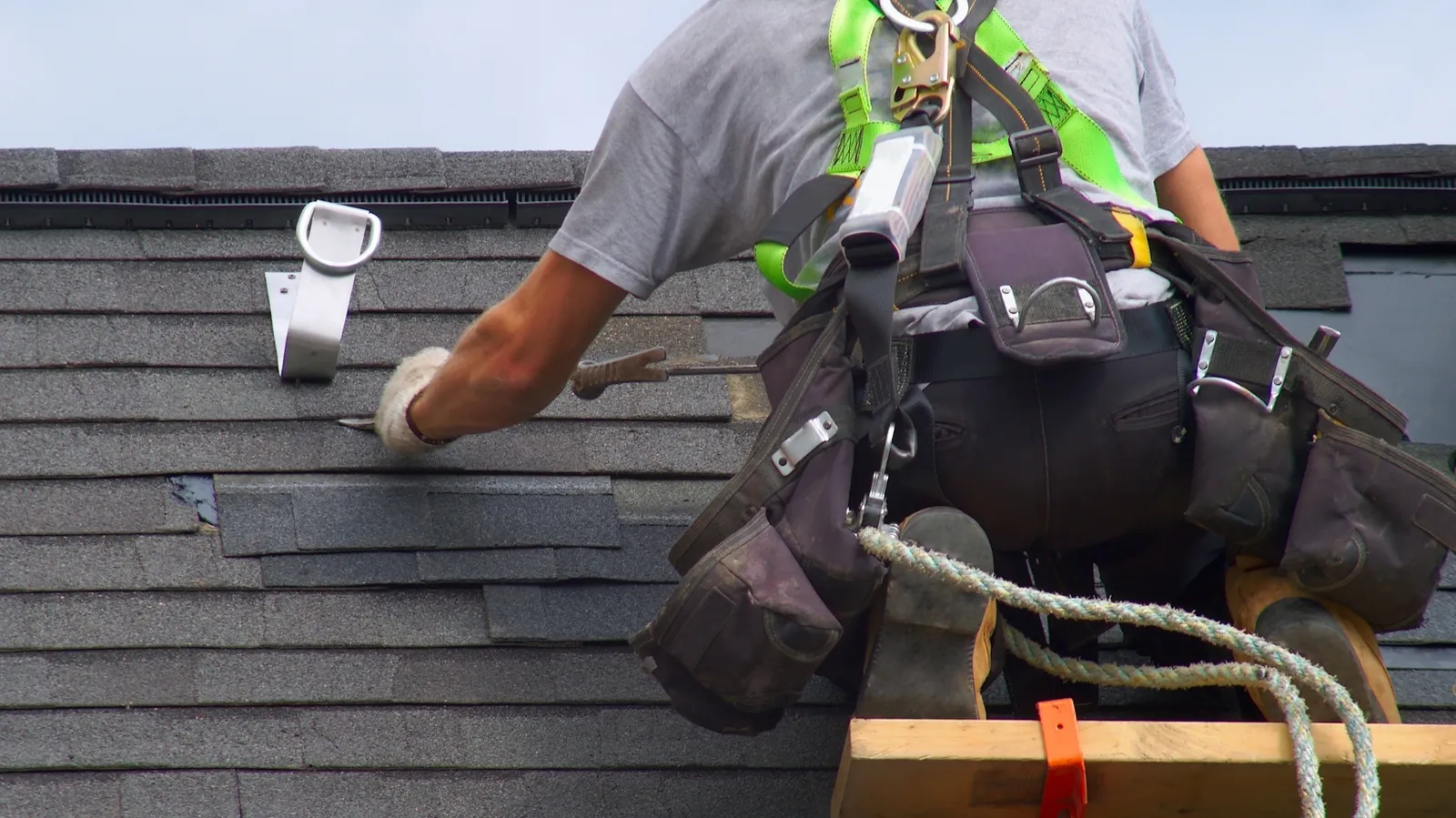
Tracing the actual source
The search starts uphill of the stain, because water runs the deck first.
The attic side
Daylight, damp insulation and staining on the sheathing narrow the search from underneath.
The targeted fix
Whatever failed gets rebuilt down to the detail, flashing, boot or valley.
Decking checked underneath
Anything soft is cut back to solid wood, because nails need something to bite.
Materials matched where visible
Shingles matched as closely as a weathered roof allows, color difference flagged first.
A written record
What was found, replaced, and deliberately left alone, all of it recorded.
Which problems are a repair, and which are not.
The first four usually point at a repair. The last two are the flip side.
One leak you can trace
One leak tracing back to one boot, flashing run or puncture, on a sound roof.
A failed pipe boot
The rubber collar around a vent pipe dries and splits. Swapping it is cheap.
An isolated flashing failure
Most leaks trace to flashing. A bad sidewall run is a seam somebody can rebuild.
A small wind patch
Creased or missing tabs in one corner weave back in, if the field is sealed.
The third leak in two years
A second and third leak is not bad luck. It is a replacement in installments.
A brittle, aged field
Old shingles crack when handled and will not tie into new ones. No lasting repair holds.
How a repair goes in Little Elm.
The price is settled before the third step. Anything found underneath is shown to you first.
Say what you see
Where the water shows, when it started, and a photo if you have one.
Find the failure
A roofer works the slope the evidence points to, then opens it up.
A price you can hold
What broke, what rebuilding it takes, and the number, agreed before any work begins.
The repair itself
Usually a single visit, and you keep a record of what was touched.
Roof repair questions from Little Elm homeowners.
Cost, cause, and the insurance question. Your own roof settles the rest.
Get your Little Elm roof repair priced.
Describe what is happening and a local roofer takes a look, free: what broke, what fixing it takes, and one number in writing from Little Elm Roofing Co before anything starts. If the roof only needs the one repair, that is what you will be told.
Roofing you can plan around