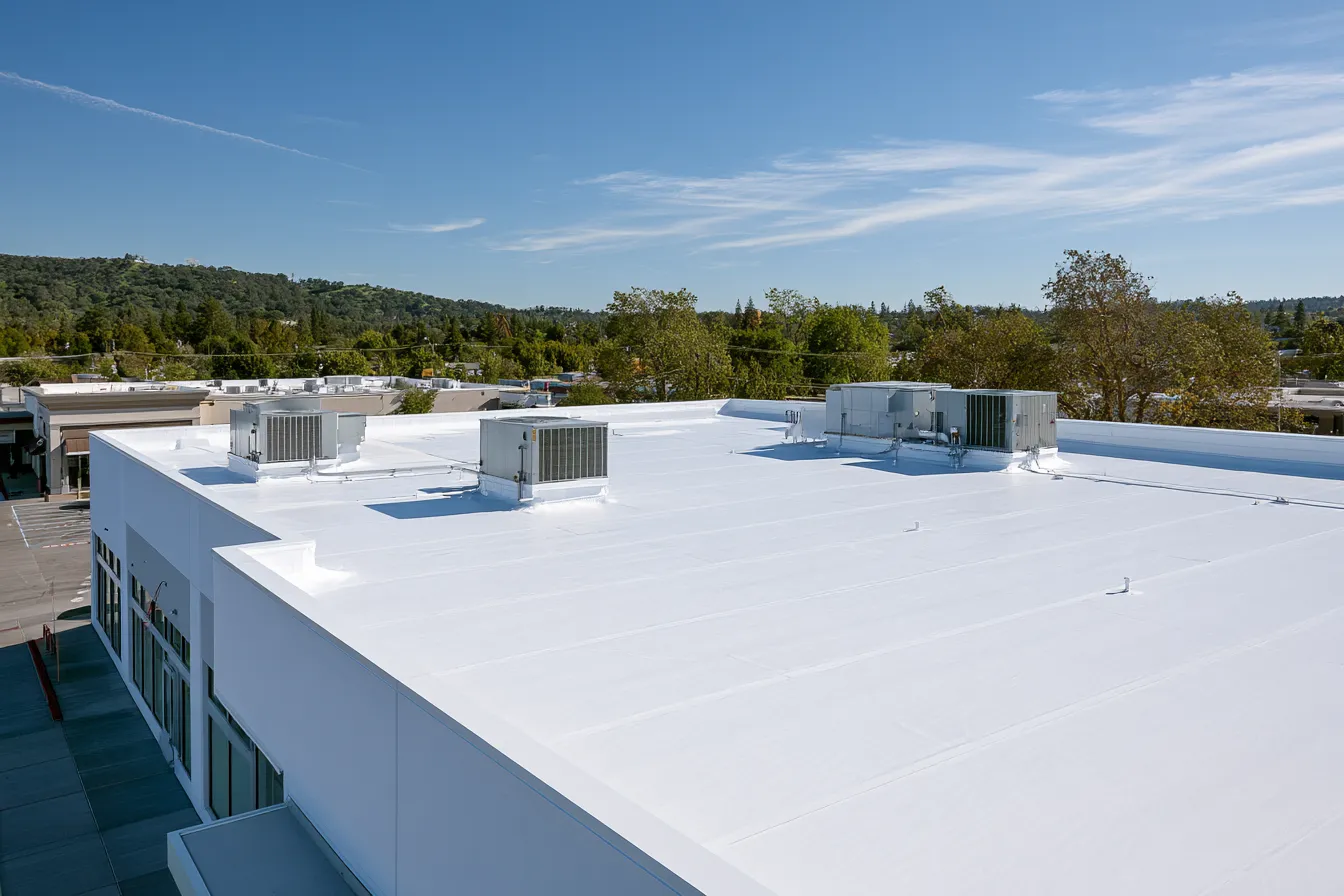
Commercial Roofing in Little Elm, TX
Commercial roofing gets read on its own terms by Little Elm Roofing Co: low-slope systems, priced off a measured roof.
You need to know which membrane belongs on your building before anyone quotes a price. Low slope means a membrane, not shingles.
Roofing you can plan around
Commercial roofing means a system, not a shingle
Flat is a figure of speech. A low-slope roof carries just enough pitch to move water toward drains, and it is sealed by a continuous membrane or by layers built up over the deck. It fails in different places than a residential roof.
Which system belongs is decided by the building itself: its drainage, what interrupts the surface, and how long you intend to own it. There is no best system, only the one that suits the building.
Denton County takes hail and hard wind most years, and on a low-slope roof it shows late: bruised membrane and wind-lifted seams are almost never visible from the parking lot.
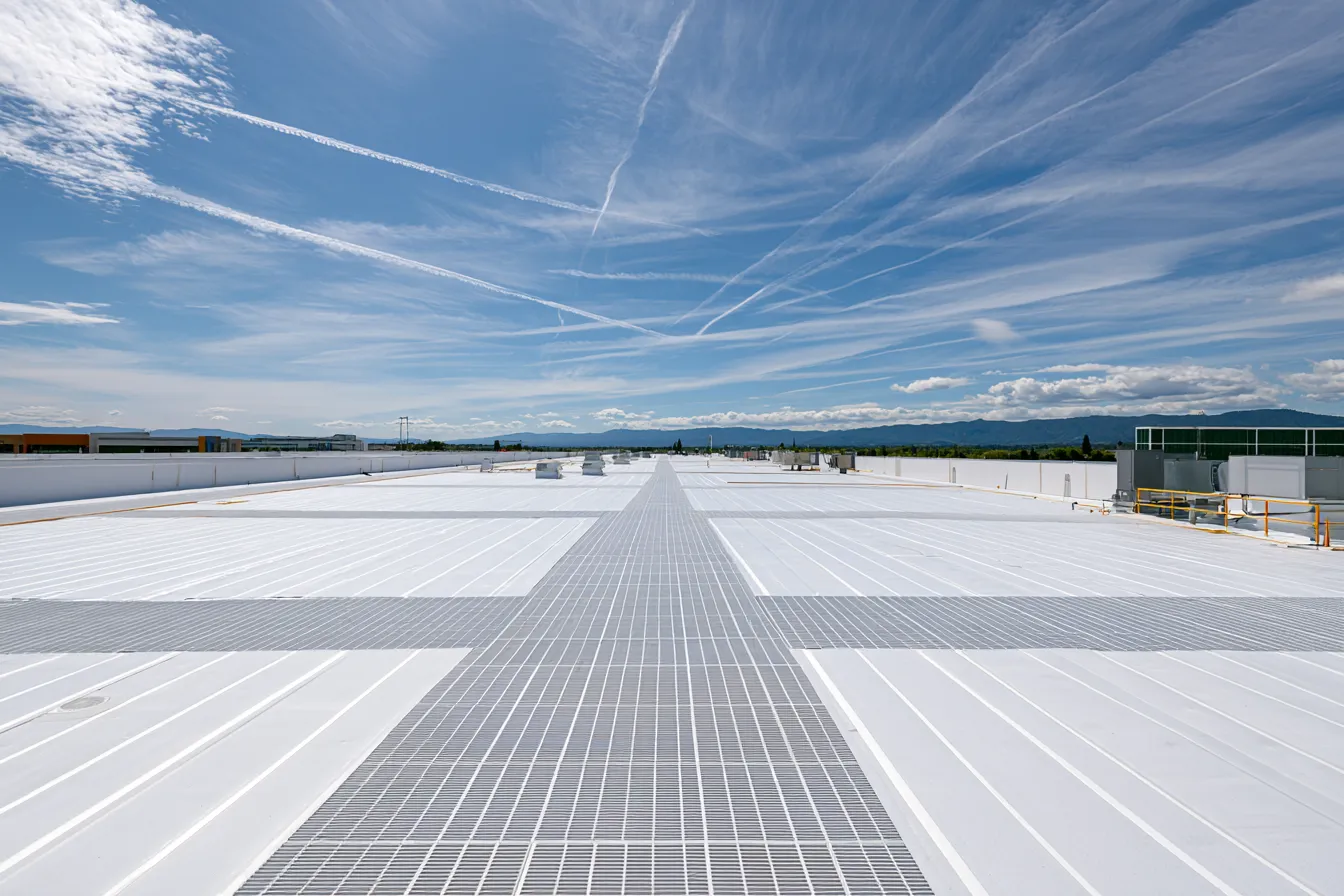
What a commercial roof project includes
A commercial number is built from square footage, how much comes off before anything goes on, and how many penetrations need detailing by hand.
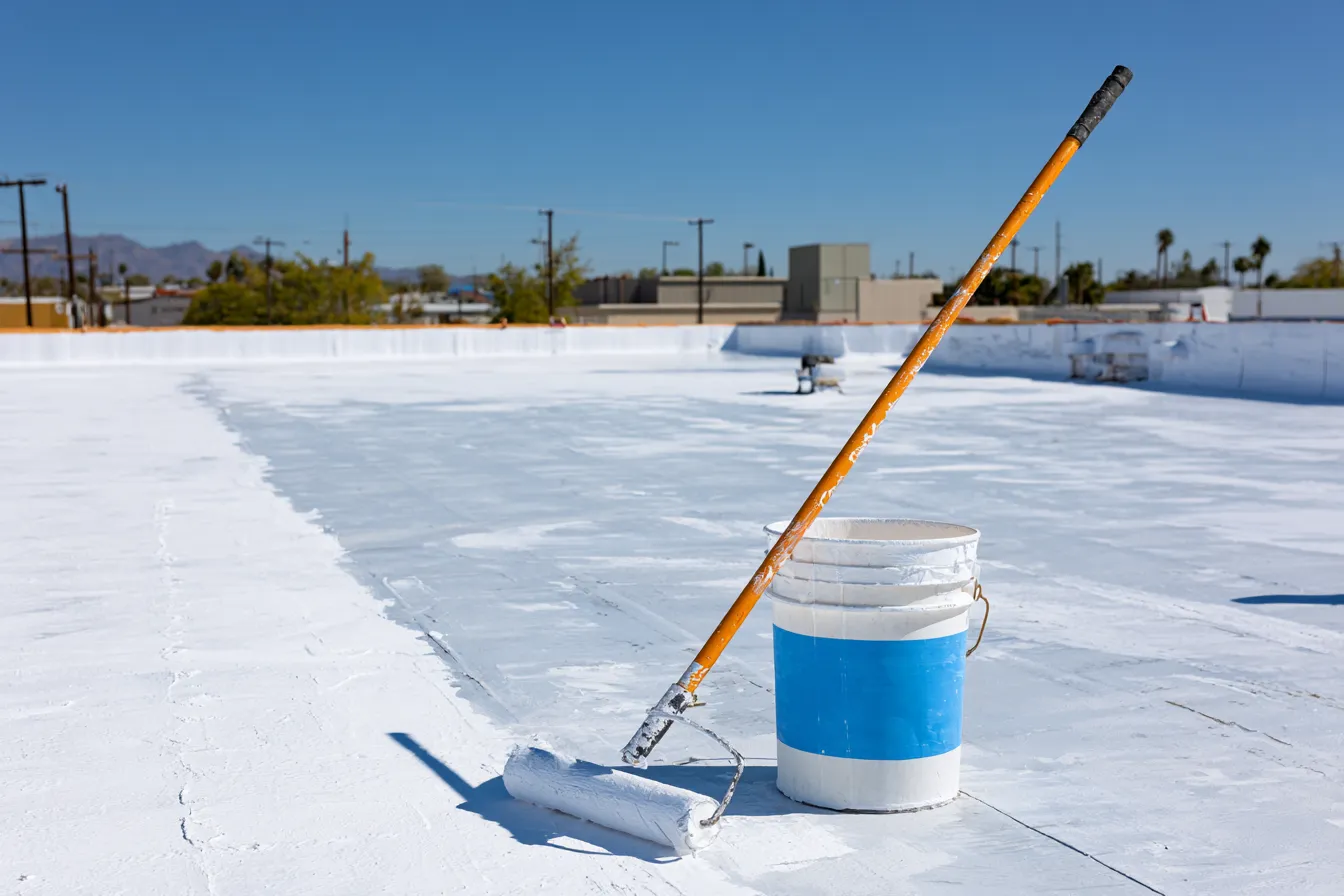
Assessment and moisture test
Membrane, insulation and deck checked for trapped water. What is underneath decides everything.
Tear-off or recover
Tear off or go over turns on wet insulation and deck condition.
Insulation and attachment
New insulation, tapered where drainage needs help, fastened or adhered to specification.
Membrane installation
The membrane is laid and its seams welded into one continuous surface.
Flashings and penetrations
Every pipe, curb, drain and parapet detailed by hand, where low-slope roofs leak.
Warranty paperwork and walkthrough
Two documents close the job: the manufacturer’s system warranty and the roofer’s workmanship warranty.
Compare the low-slope systems
Which system belongs depends on the building. The table is the short version of where each fits.
| System | What it is | Where it fits |
|---|---|---|
| TPO | A heat-welded single-ply sheet, usually white | Most low-slope buildings, and the common pick where a reflective surface is wanted |
| EPDM | A synthetic rubber single-ply sheet, classically black | Buildings where a long, well-understood track record matters; the seams are the part to watch |
| PVC | A heat-welded sheet that resists grease, oils and chemicals | Restaurants and anything with kitchen or industrial rooftop exhaust |
| Modified bitumen | Asphalt in reinforced rolls, applied in layers | Smaller low-slope roofs and roofs that take regular foot traffic |
| Built-up (BUR) | Layers of felt and asphalt topped with gravel | Older buildings already carrying one, where staying with the existing system makes sense |
| Metal | Standing-seam or panel systems on a steeper commercial roof | The longest service life on the list, where the slope and the budget both allow it |
| Coatings | A fluid-applied silicone or acrylic layer over an existing roof | A sound, dry roof that needs more years rather than a tear-off |
Service life on most membranes runs roughly 20 to 30 years installed and maintained well. Maintenance moves that number further than the brand on the box does.
How a commercial roof project runs
The assessment decides the system, and the system decides how the work lands on your tenants. Here is the order.
Survey the existing roof
A commercial roofer walks it, tests for trapped moisture, and checks the deck.
Specify the system
The recommendation follows the building: drainage, rooftop equipment, foot traffic, holding period.
Work around the tenants
Noise overhead, a staging area, limited unit access. Occupied space stays usable.
Paperwork and walkthrough
A final walk of every detail, then two separate warranty documents.
Commercial roofing questions before the first site visit
What building owners ask before the first site visit. Nothing below assumes anything about your building until somebody measures it.
Get your Little Elm commercial roof assessed
Little Elm Roofing Co arranges a documented read of the existing roof, a system matched to the building, and one written work list with the numbers attached before anything is scheduled.
Roofing you can plan around