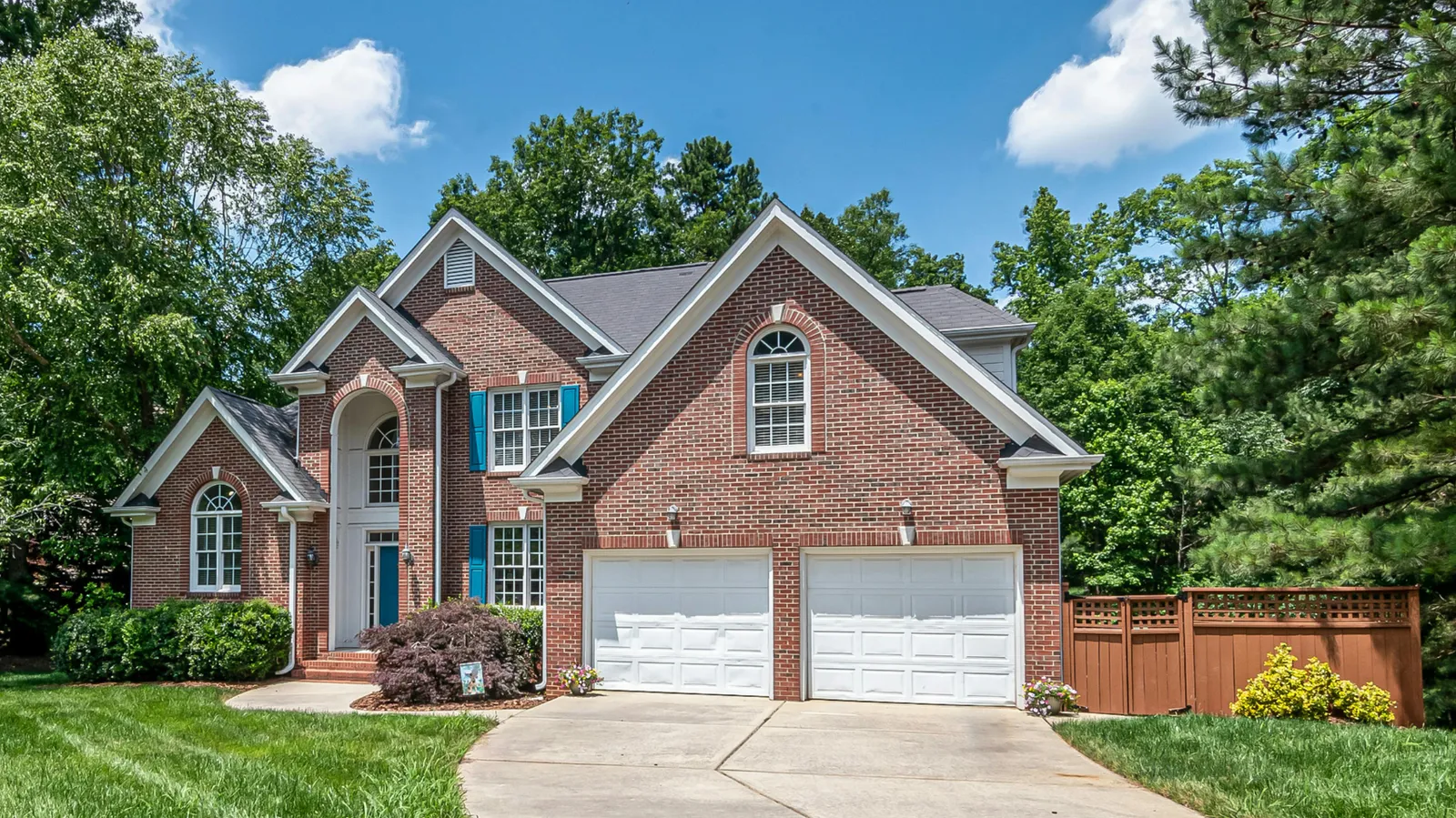
Roof Ventilation in Little Elm, TX
Roof ventilation is air in low, out high, and the two in balance, which is what our roofers measure before anything gets recommended.
An upstairs that will not cool, a climbing power bill and a musty attic are often one question.
Roofing you can plan around
What a ventilation job covers.
Ventilation is air in low and out high, kept in balance. The work runs from clearing blocked soffit vents to cutting in a full ridge run, and which end is short decides the job.
The cheapest moment to correct intake and exhaust is during a roof replacement, when the ridge is open and the edge is already off. The cost guide carries those ranges.
What under-ventilation does is not mysterious. Trapped summer heat bakes the deck, the deck cooks the shingles from underneath, and a roof ages out years before its service range says it should. The same trapped air raises what the air conditioning works against, and none of it is visible from the street.
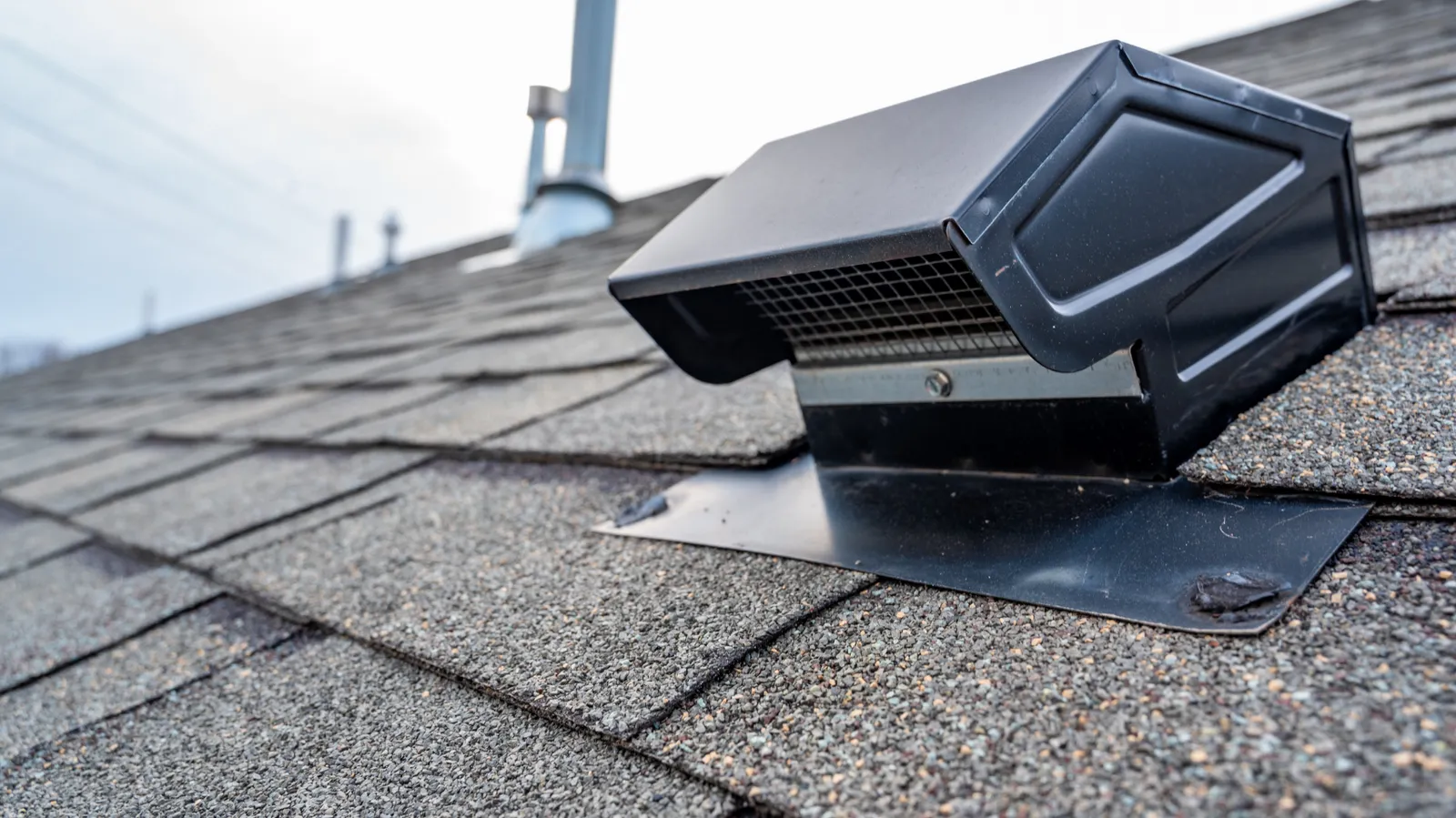
Intake checked first
Soffit vents examined for paint, insulation or blocking. Starved at the bottom, nothing exhausts.
Exhaust sized to the ridge
Ridge vent run to the actual length of the peak, not a token section.
The balance calculated
Intake sized to match or slightly exceed exhaust, to the ratio code calls for.
No mixed exhaust types
One exhaust type is chosen, the others closed off. Mixing them short-circuits everything.
The attic itself read
Insulation depth, matted batts, rusted nails and deck staining all noted.
Folded into a replacement where it fits
A replacement opens the ridge and eaves anyway, the cheapest moment to correct both.
Signs the attic is not breathing.
Any one of these can have another cause. Two or three together usually means ventilation.
Shingles curling or blistering
Heat trapped under the deck bakes shingles from below, aging a roof years early.
A scorching upstairs in summer
An attic holding superheated air radiates it downward, and the cooling bill shows it first.
A musty smell or damp insulation
Moisture with no way out condenses, mats the insulation flat and costs you R-value.
Rusted or discolored nail heads
Roofing nails rusted on the attic side are a condensation record, one wetting at a time.
Stained or soft decking
Dark patches or spongy sheathing in the attic mean moisture has sat against the wood.
Blocked or painted soffit vents
Intake vents packed with insulation or painted over starve the system from the bottom.
How a ventilation visit goes in Little Elm.
The visit starts inside the house, which surprises most people. The attic tells you more than the roof does.
Into the attic
A roofer reads the insulation, decking, nail heads, and any daylight at the eaves.
Intake and exhaust counted
Soffit intake and whatever exhausts at the top, measured against the attic floor area.
Conflicts named
Mixed exhaust, blocked intake or an undersized run gets written down with photographs.
The fix, costed
What balancing intake and exhaust costs, line-itemed, with a note on waiting.
Attic and roof ventilation questions.
The physics is settled. What your own attic is doing is not, until somebody looks.
Get roof ventilation in Little Elm, TX checked and priced.
A roofer looks over the attic, measures the intake against the exhaust, and says whether it needs work now or belongs with the next roof. The visit is free. A straight answer on whether ventilation is your actual problem, without the runaround.
Roofing you can plan around