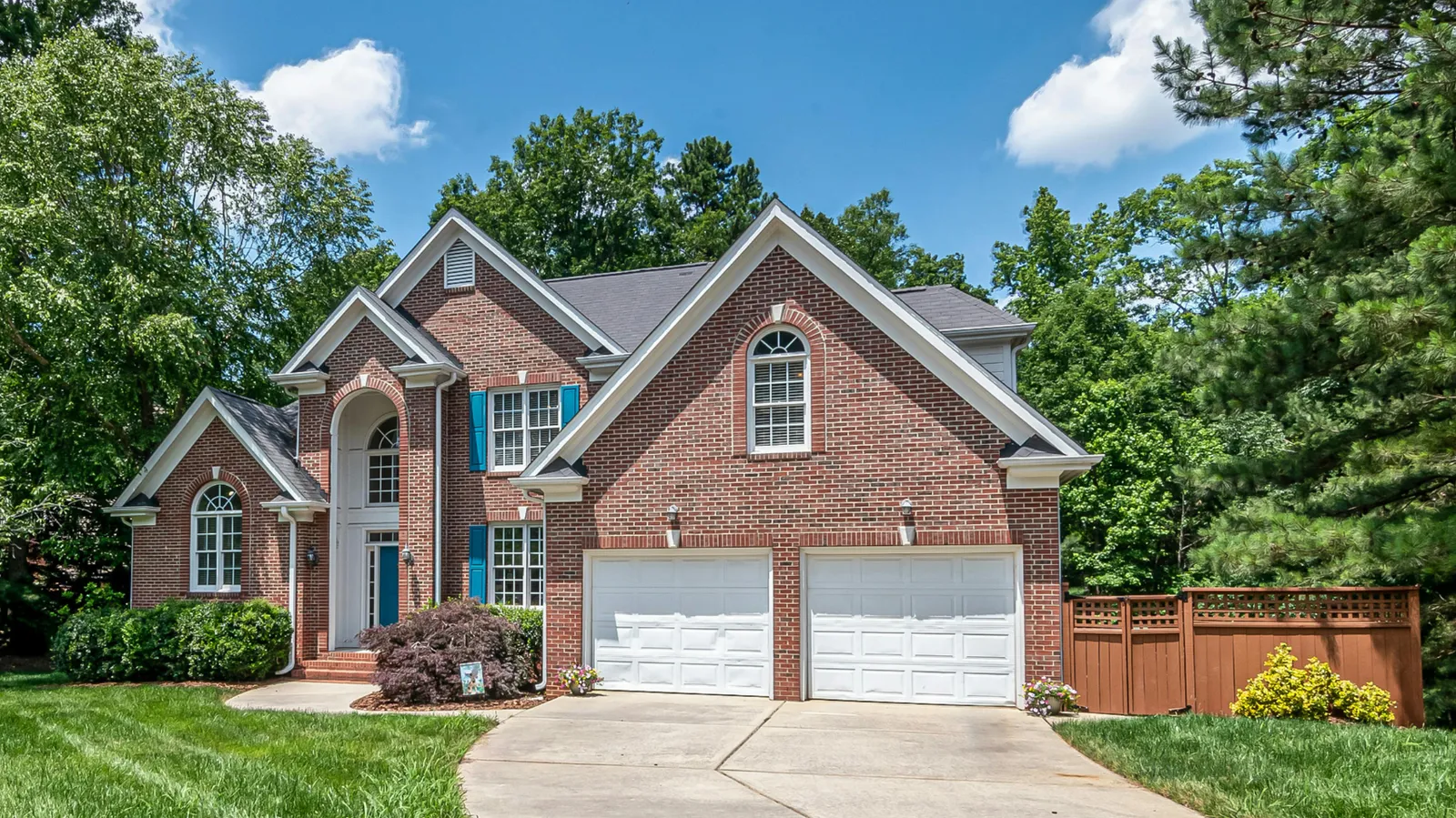
Roof Shingle Options in Little Elm, TX
Roof shingle options come down to two questions Little Elm Roofing Co keeps apart: how it looks, and how tough it is.
Shopping shingles gets confusing fast, because two different questions keep getting answered with the same words.
Roofing you can plan around
Shingle options are really two questions.
The first is how the roof looks. That is the style ladder, and it has three rungs: 3-tab, architectural, and designer. It decides how your roofline looks from the street and roughly how long the shingle lasts.
The second is how tough the roof is, and that is a rating rather than a look. Class 4 comes from UL 2218, a test in which a steel ball is dropped onto the shingle from height, and Class 4 is the toughest pass. It is available within architectural lines and within designer lines, so it sits across the ladder instead of on top of it. A shingle can be architectural and Class 4 at the same time, which is precisely why the two questions get tangled.
Keep them apart and the rest of the conversation gets simple. Pick the look you want, then decide separately how much impact resistance is worth on a roof in this county.
The three shingle styles, side by side.
This table answers the look question only. Where a roof lands in its range depends on the attic.
| Style | What it looks like | Typical service life |
|---|---|---|
| 3-tab | Flat, uniform tabs with no shadow, the old builder-grade look | About 15 to 20 years |
| Architectural | Two laminated layers with visible shadow depth, and what most homes here carry | About 25 to 30 years |
| Designer or premium | The heaviest asphalt profile, milled to imitate slate or wood shake from the street | The longest of the asphalt tiers |
Impact resistance is a separate question from every row above. An architectural shingle or a designer shingle can also carry a Class 4 rating.
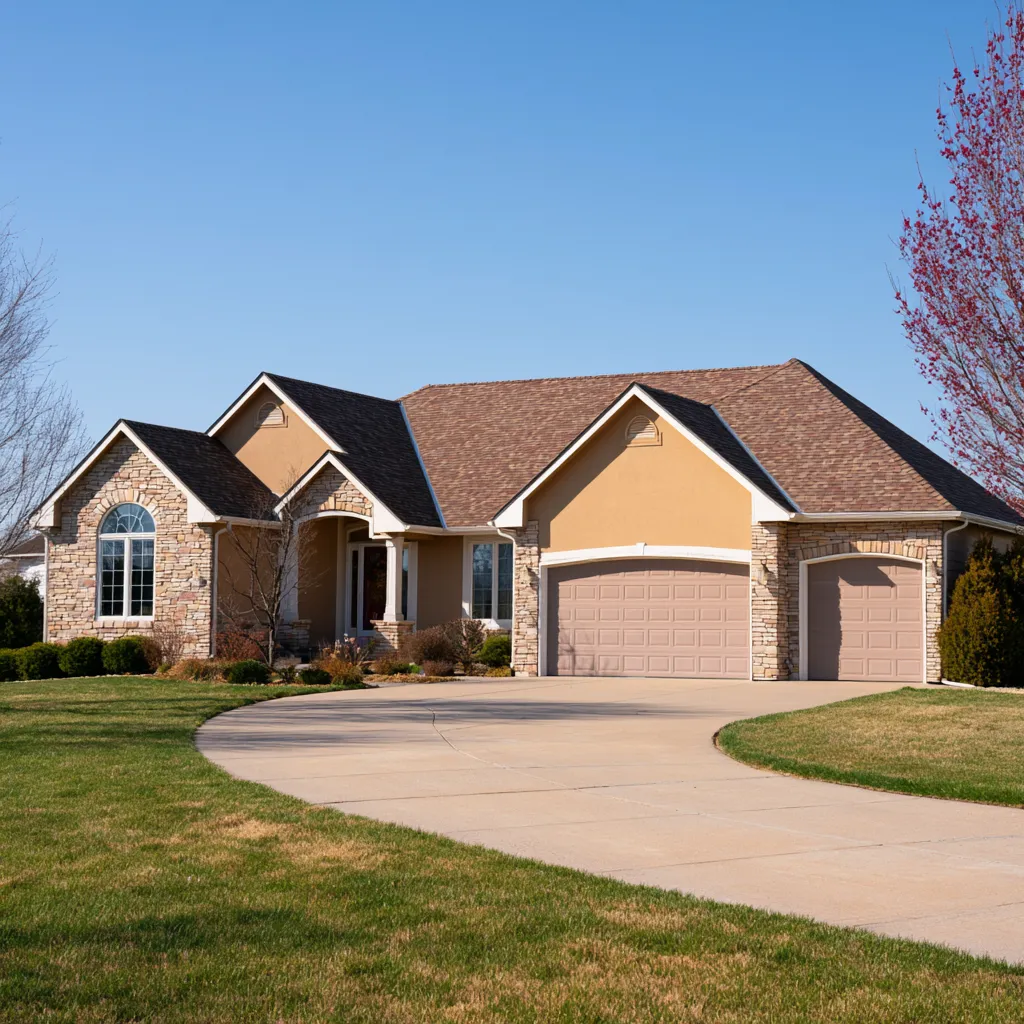
Why Class 4 comes up so often around here.
Hail arrives here often enough, and big enough, that an impact rating is worth discussing openly. A Class 4 shingle is built to take an impact without the mat splitting, which is what keeps a hailstorm from opening a leak on an otherwise sound roof. Its limit sits at the size of the stone, so a bad enough storm still leaves damage worth inspecting. Whether your own roof earns the upgrade depends on the slopes, the exposure and what is already up there, and that answer comes off the roof.
A rating, not a style
Class 4 is the top result on the UL 2218 impact test, available within existing lines.
May earn an insurance discount
Impact-rated roofs may qualify for a discount with some carriers. Verify it with yours before counting on it.
Not hail-proof
The top rating means the mat resists bruising better. It does not mean a roof stops taking hail.
Signs the shingles up there are wearing out.
These are age and wear signals that build slowly. Storm bruising is on the storm damage page.
Curling or cupped edges
Tab corners lifting mean the mat has dried out, usually first on the sunniest slope.
Cracked or blistered field
Splits and raised bubbles across the field are heat damage from underneath.
Granules in the gutters
Grit at the downspout outlets is the protective surface washing away.
Bald or missing tabs
Smooth dark patches or missing tabs leave the underlayment doing a job alone.
Dark streaking or moss
Black streaks and green growth hold moisture against the shingle and shorten its life.
Daylight at the roof boards
Pinpoints of light in the attic mean the deck has opened up.
Roof shingle questions, translated.
The vocabulary, translated, so the next roofer conversation goes at your pace. Nothing here needs deciding today.
Compare roof shingle options on your own Little Elm roof.
A roofer measures the slopes, says what is up there now, and lays the options against your house instead of against a brochure. The look costs nothing, and there is no clock on choosing.
Roofing you can plan around